While retirement is something that many aspire and look forward to, it’s actually ranked tenth on the list of life’s most stressful events.
From the similarly stressful viewpoint of those juggling the demands of work and family, it seems hard to believe that retirement isn’t always a walk in the park. But for those who have had a busy job with little time for leisure, or a rigorous routine, the adjustment to having time on your hands can be a difficult one.
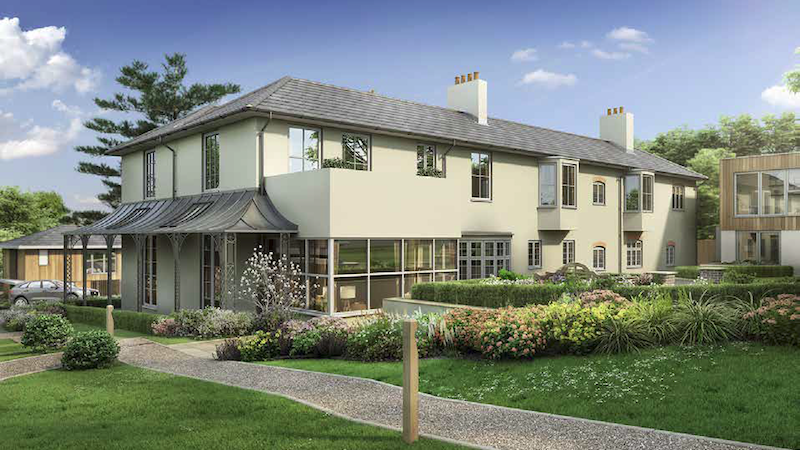
Cognatum, an independent not for profit company, has 60 retirement estates across central and southern England. All are in prime locations within vibrant market towns or villages, within walking distance of shops and restaurants. Each estate benefits from thoughtful architecture, landscaped grounds, and a dedicated estate manager.
Richard Williams of Cognatum says: “When moving from full time work to retirement, or semi-retirement, there’s much to be gained. Increased leisure and family time, a less structured day, extensive lifestyle choice and the lack of work stress. But losing a working structure, and work relationships can leave individuals feeling rudderless. And while leaving work stresses behind is a good thing, you may well be also be leaving behind feelings of achievement and self-worth.
“While for many people adjustment to retirement is a happy process, it’s important to anticipate some of the potential pitfalls and to make provision to ensure a full and happy later life, including mental wellbeing.”
It’s widely agreed that staying mentally active is a good thing, but there are only so many crosswords and sudoku puzzles that can be done before you need to look further afield in terms of stimulation. Accepted wisdom suggests that good mental health in later life can be bolstered by a combination of the following elements:
- Living in the present
- Connecting with others
- Leading a healthy life
- Being physically active
- Learning new skills and being mentally challenged
- Contributing to society
- A variety of interests
Identity is a key factor in all those, not just how others see you but how you see yourself.
Richard Williams says: “For many people, how they fit into their location is a crucial factor in the process. If retirement is bringing with it a change of property, it’s important to consider how different life will look, and how this should affect location choice post-retirement.
“Even individuals who may not consider themselves particularly sociable tend to benefit from regular interactions with other people. Living in rural isolation can be attractive when returning to it from long days spent in an office, but it may become less appealing if every day of the week is predominantly spent with only sheep and fields for company.
“Neighbours provide a unique kind of relationship. Interactions can be regular but unplanned and relatively undemanding. For those living a drive away from anywhere, social gatherings need to be planned and come with commitments, while bumping into a neighbour for a chat, or discussing the roses over the garden wall is a happy half-way house between solitude and a dinner party.
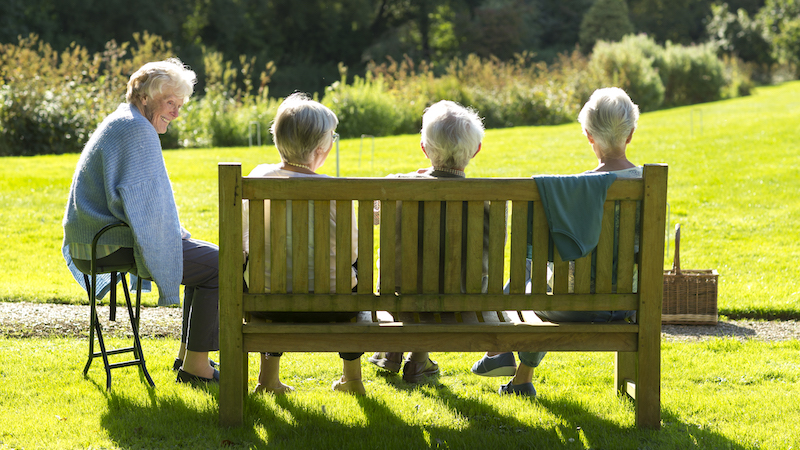
“Neighbour-power was discovered by many during the pandemic, as those that lived close by were the only people we were able to see with any regularity, even at a distance. The strength of a local community became evident in a way that had previously been taken for granted at one extreme or overlooked at the other, and local relationships become vital.
“Living in a village or market town means that facilities such as pubs, church, shops and local societies can be reached on foot. A strong local community is a valuable thing in retirement and being geographically part of that community rather than having to drive to it makes a significant difference.
“Without the diversion of a daily commute, in retirement it’s particularly important to like where you live and all it has to offer. The benefits of plenty of interest on the doorstep are significant. Retirees may find that some of the challenges and engagement that come with work need to be replaced, and strong communities tend to be the best place to find suitable alternatives in the form of societies, charities and clubs, who are always looking for people to take on active roles.
“Communities such as retirement estates allow for dip-in dip-out socialising, readily available stimulation and company without complication and stress. Common ground will already exist and whether or not neighbours become soul mates, they will provide immediate company and interesting interactions.
“Organised socialising isn’t for everyone, but a huge variety of opportunities arise at our retirement estates. Residents gather informally for exercise, vegetable gardening, film clubs, book clubs, croquet, tennis, bridge, poker, Mah Jong, dog walking, and community projects to name but a few.
“A retirement estate in itself won’t fulfill all interests on a daily basis, so the ideal solution is to look for one that is closely allied with the local community where an introduction is easy. There are nights where almost all the residents of one of our estates are to be found swapping gardening tips at the local RHS meetings, and at another many residents are on the organising committee for the town summer fete, to name just a couple of instances. The best estates for a range of interests and hobbies are to be found close to a village or town, allowing for cross-generational interactions and involvement in wider life.”
View retirement developments currently available